Why You're Always Tired (It's Not Sleep)
You can get a full eight hours and still wake up wrecked. The reason is happening in your body overnight, where you've never been able to see it.
By Marissa Lane| Longevity & Metabolic Health Writer

Why Sleep Does Not Always Fix Fatigue
A healthy adult spends about 13 to 23 percent of the night in deep sleep.
Deep sleep is when your body releases most of its growth hormone and repairs muscle and tissue. It's also when your brain flushes out the waste it builds up all day.
Lose that stage and all those hours count for nothing.

You sleep a full night and wake up like you never went to bed
The 2pm wall hits no matter how much coffee you drink
Brain fog makes simple tasks feel heavy
You're wired at night and exhausted by morning, the wrong way around
Your motivation to move, train, or socialize has quietly drained away
Your bloodwork came back "normal" and you still feel terrible
You catch every cold going around and take forever to bounce back
You sleep a full night and wake up like you never went to bed
The 2pm wall hits no matter how much coffee you drink
Brain fog makes simple tasks feel heavy
You're wired at night and exhausted by morning, the wrong way around
Your motivation to move, train, or socialize has quietly drained away
Your bloodwork came back "normal" and you still feel terrible
You catch every cold going around and take forever to bounce back
If two or more of these are normal, the issue isn't willpower and it almost certainly isn't sleep. It's what's happening to your recovery in the dark, where you can't see it.

So why are you always tired?
More sleep cannot fix broken recovery.
If wine keeps your heart rate elevated through the night, another two hours in bed will not help your body recover. It only extends the time your body spends struggling to reset.
Which is why the fix isn't more sleep. It's seeing your recovery, finding which of the seven is dragging it down, and changing that one thing. You can't do that by feel. You need to read it.
1. Your deep sleep collapsed
Deep sleep, the slow-wave stage, is front-loaded into the first few hours of the night. That's when as much as 70 percent of your daily growth hormone fires in a single pulse, when torn muscle gets rebuilt, and when your brain runs its overnight cleanout.
A late dinner, a glass of wine, or a stressful day all shrink it. You still log eight hours. But if the deep portion is gone, you wake up feeling like you pulled an all-nighter in your own bed. The clock lies. Your legs and your head don't.
2. Your nervous system never clocked off
At rest, your heart doesn't beat like a metronome. The tiny gaps between beats stretch and shrink, measured in milliseconds. That variation is your heart rate variability, and a higher number at night means your body has flipped into its rest-and-repair mode.
Stress, a late workout, or a second drink keep you locked in fight-or-flight instead. Your HRV stays flat for hours. You're horizontal with your eyes closed, but your body is still on shift. That's why you can sleep all night and wake up wired and exhausted at the same time.
3. Your heart rate stayed high all night
A recovering body drops its resting heart rate overnight, often by 8 to 15 beats per minute below your daytime rate, usually bottoming out a few hours after you fall asleep.
Alcohol is the classic saboteur here. It knocks you out fast, then as it clears around 2 or 3am your heart rate rebounds and climbs for the rest of the night. Same with a heavy late meal your body is still digesting. You spend the back half of the night working, not resting, and you wake up feeling hungover.
4. You woke up dozens of times and don't remember it
An awakening shorter than about three minutes usually never makes it to memory. You can have 20 or 30 of them and swear you slept straight through.
Each one drops you out of the stage you were in. The damage lands hardest in the back half of the night, between roughly 4 and 6am, which is when most of your REM sleep happens, the stage that handles mood, memory, and mental sharpness.
5. Your breathing and oxygen dipped overnight
Your blood oxygen normally sits around 95 to 100 percent. At night it can dip lower in short episodes, especially if you sleep on your back or have had a drink, and each dip can nudge your brain toward a lighter stage without fully waking you.
Your breathing rate tells a similar story. A steady, slow rhythm overnight is the sign of a calm system. When it runs high or ragged, your sleep gets choppy in ways you'll never catch lying there. You just inherit the fog and the flat afternoon the next day.
6. Your recovery debt rolled over for weeks
This is the one almost nobody checks. Lose 90 minutes of real sleep on Monday and the deficit doesn't reset on Tuesday. It carries. A week of slightly short, slightly broken nights leaves you running a debt of several hours you never paid back.
You can't see that in any single morning. The reading looks ordinary. Only the trend across two or three weeks shows the slow slide. That's the gap between a bad night, which everyone has, and the grinding tiredness that makes you think this is just your forties now. Usually it isn't. It's a debt with a balance you were never shown.
The Hume Band 2.0 reads all seven for you
It's a wrist-worn health tracker that records the signals behind your energy, every night, in your own bed, while you do nothing but sleep. A wellness device, not a medical one. It won't diagnose anything. It ends the guessing.
Every reason on that list traces back to something the Band reads:
Sleep stages, in full. Light, deep, REM, awake.
HRV and resting heart rate. Whether your nervous system recovered or stayed in overdrive.
Blood oxygen, breathing, skin temperature. The overnight dips you sleep through.
Metabolic Capacity and Momentum. Today's recovery and the trend across weeks.
One picture each morning. No more guessing which fix to try.

No subscription required to use your Band
See it, fix it, prove it
Once the cause has a name, the fix stops being a coin flip. You spot that your deep sleep halves on the nights you eat after nine. You watch your heart rate sit ten beats high every night you have wine with dinner.
So you move dinner up an hour, or skip the midweek glass. Three nights later the numbers either climb or they don't. If they do, you keep it. If they don't, you cross that reason off and test the next one. No faith required.
Most people chase more sleep. For me, more sleep was never the problem.

Why this is what finally fixes the tiredness
The Hume Band 2.0 aims at recovery directly.
It reads the deep sleep, the heart rate, the HRV, the overnight strain that decides whether you wake up charged or flat.
Then it shows you which one is broken and lets you watch it respond when you change something. That loop is the whole difference between guessing for years and fixing it in weeks.
When your recovery climbs, the tiredness goes with it. The 2pm wall stops being a daily event. You wake up without the heavy, foggy first hour.
You stop reaching for the third coffee. Not because you slept more, but because the hours you were already getting finally did their job.
You don't need more sleep. You need your sleep to repair you, and you need to see it happening so you can keep it that way.
No subscription required to use your Band
All-night tracking & recovery insights, no subscription needed
All night
Continuous heart, sleep & recovery tracking
14 days
Real-use battery,
30-minute fast charge
45 days
Return window
if it isn't for you
You've measured your hours for years, and it never helped.
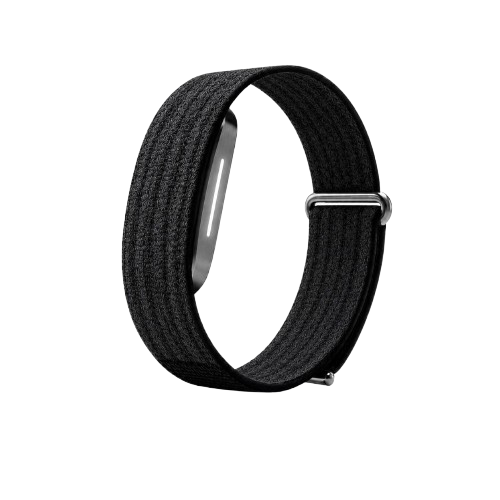
All-night tracking & recovery insights.
- Sleep stages, strain & recovery, every night
- Heart rate, HRV, SpO₂ & skin temperature
- Heart Resilience & Biological Age trends
- Core metrics free, no subscription needed
The next time you Google "dexa scan near me," save the search.

One Body Pod replaces every body composition scan you'd buy this year. And the year after. And every year after that.
Hume Body Pod (45+ Metrics)
8-Sensor. Multi-Frequency BIA
Hume Health App
Free Forever. No Subscription Required
Free Worldwide Shipping
45-Day Money-Back Guarantee
Like-New Condition. Full Refund
Today's Price $229
Feature
Other Repellents

Number of active ingredients
1–2 oils
✓ 4 oils
Lasts up to 90 days
✕
✓ Up to 90 days
No dead rodents to deal with
✕
✓ They run away
No poison / toxic chemicals
✕
✓ 100% plant-based
Safe around kids & pets
✕
✓ 100% Safe
Targets pain receptors (TRPA1)
✕
✓ Cinnamon oil
Disrupts pheromone trails
✕
✓ Cedarwood oil
Works while you sleep
✕
✓ Set and forget
Money-back guarantee
✕
✓ 90-day guarantee
The Hume Band 2.O is a wellness wearable, not a medical device. It is not intended to diagnose, treat, cure, or prevent any disease. Blood pressure tracking is a future app feature pending FDA approval and is not currently active.
Important: The Hume Health Band is a consumer wellness device, not a medical device. It is not intended to diagnose, treat, cure, or prevent diabetes or any other disease. It does not directly measure blood glucose, HbA1c, or insulin levels. The metabolic insights, scores, and AI-driven analysis provided are based on physiological pattern tracking and should not be used as a substitute for professional medical evaluation. Always consult your physician regarding diabetes risk, diagnosis, and treatment decisions.
© 2026 All Rights Reserved. Privacy Policy - Terms of Service