
Hume Band 2.0 is the Best Health Wearable of 2026
We compared it head-to-head with WHOOP, Apple Watch, Garmin, Amazfit, and the new Google Fitbit Air.
By Sarah Whelan, Health Tech Reviewer

The 60-Second Verdict
Hume Band 2.0 is the only wearable in this review that combines longevity tracking, multi-day battery, and no required subscription.
WHOOP charges $199 to $359 a year for data access. Apple Watch needs nightly charging, which breaks continuous sleep tracking. Garmin Venu 4 starts at $549.99 and is priced for athletes. Amazfit Helio Strap tracks daily energy, not biological aging. Google Fitbit Air gates parts of the experience behind a $9.99 monthly Premium plan. Hume sells the band once and gives you Metabolic Capacity, Biological Age, and Pace of Aging without a recurring fee.
At a Glance
Seven questions worth asking before you put a wearable on your wrist for the next three years.
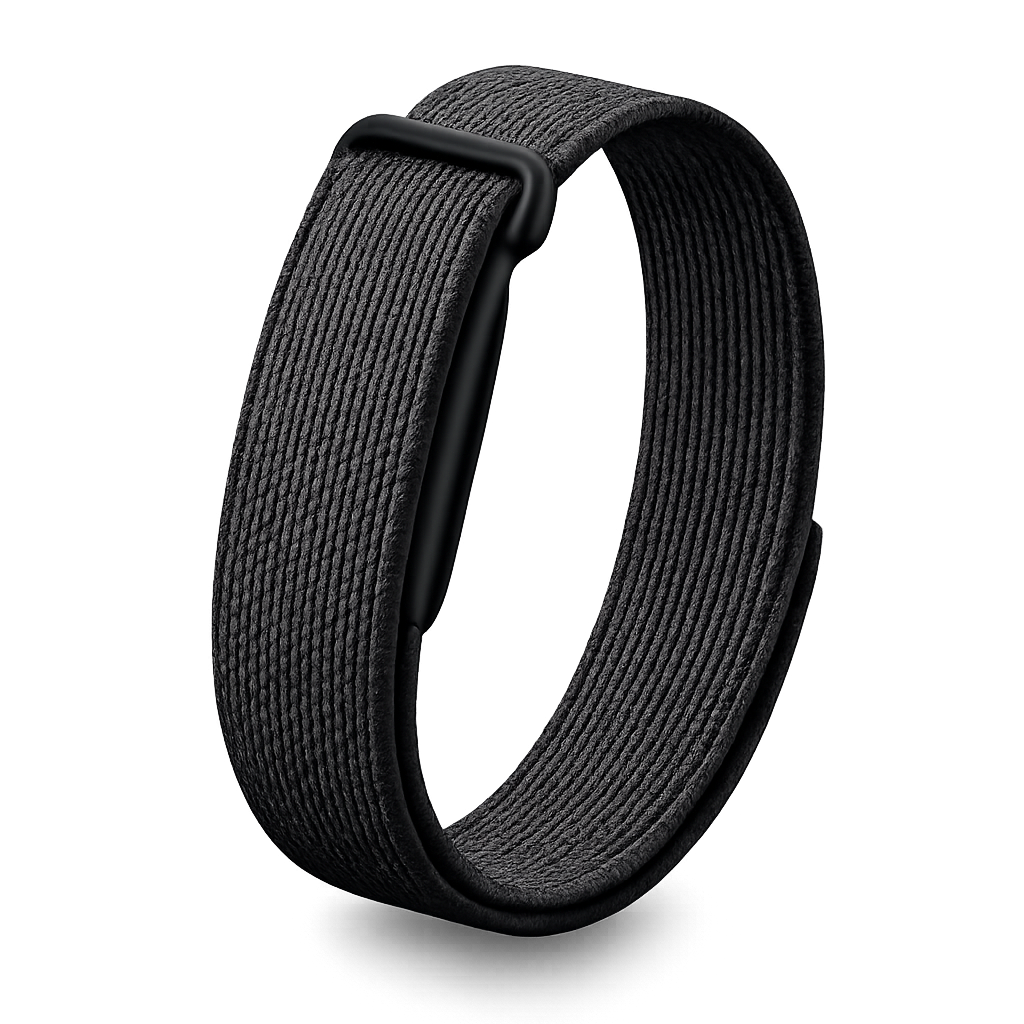
Hume
Band 2.0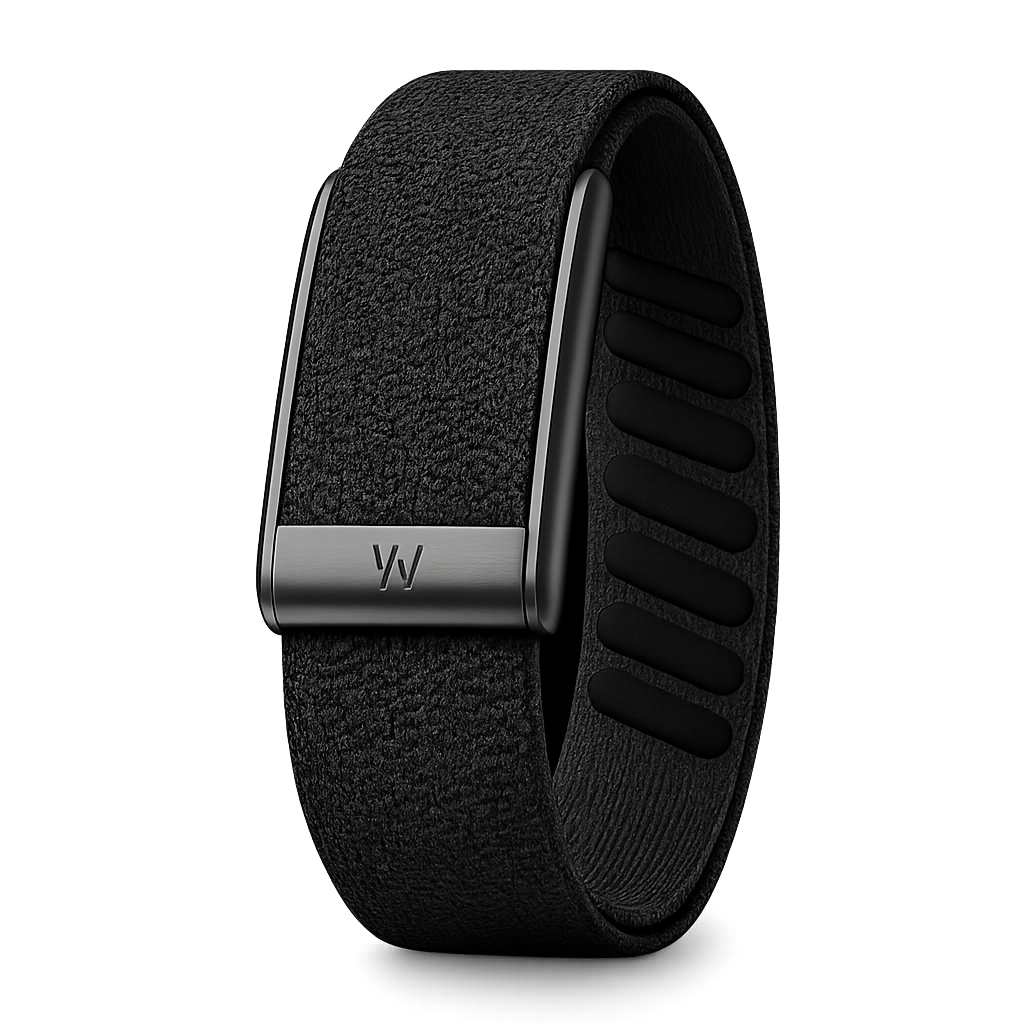
WHOOP
5.0 / MG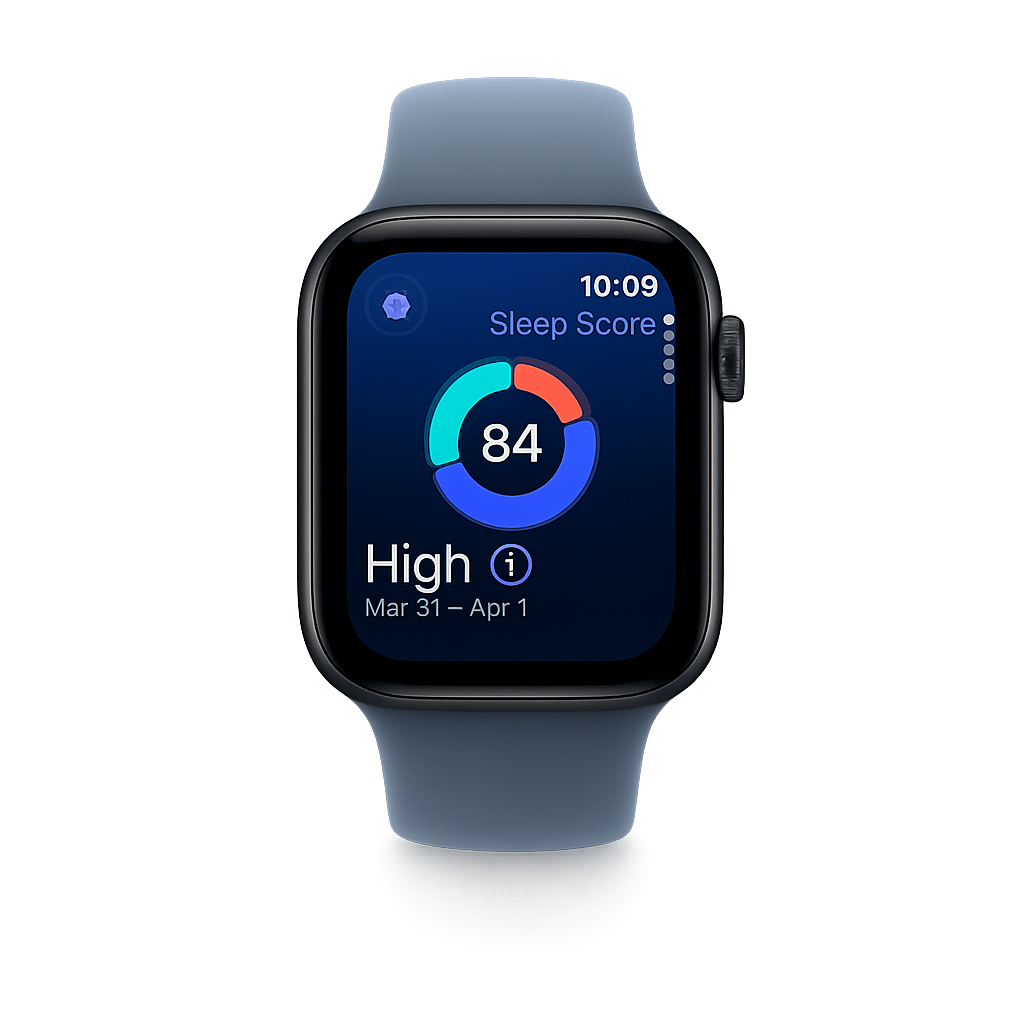
Apple
S11 / U3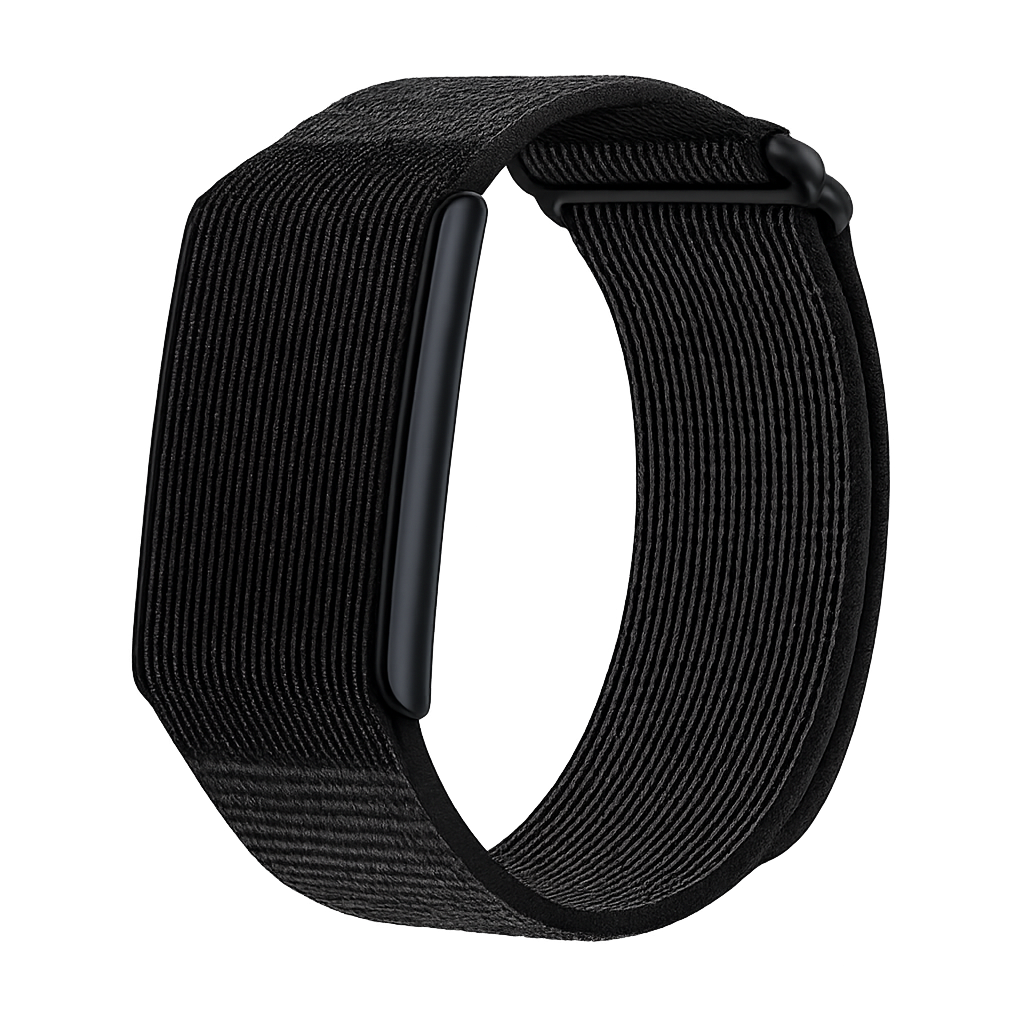
Amazfit
Helio Strap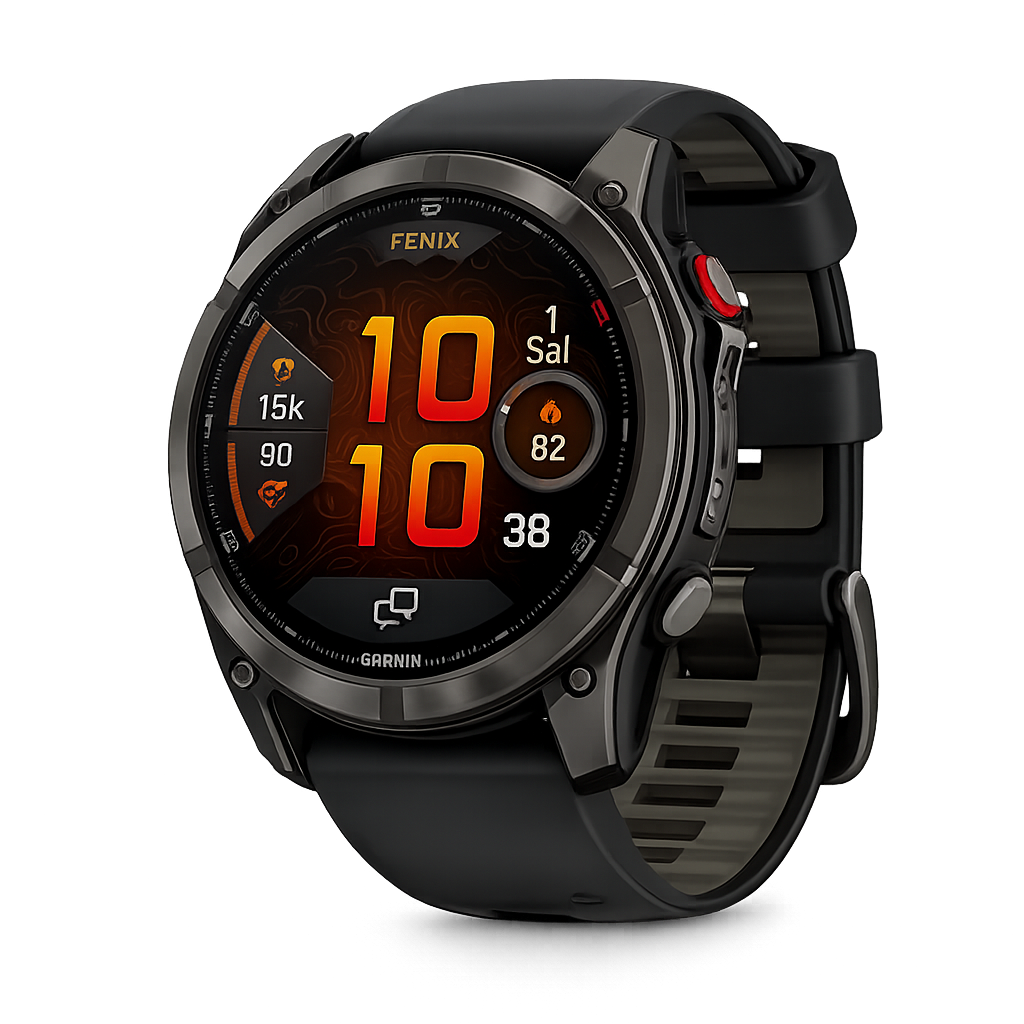
Garmin
Venu 4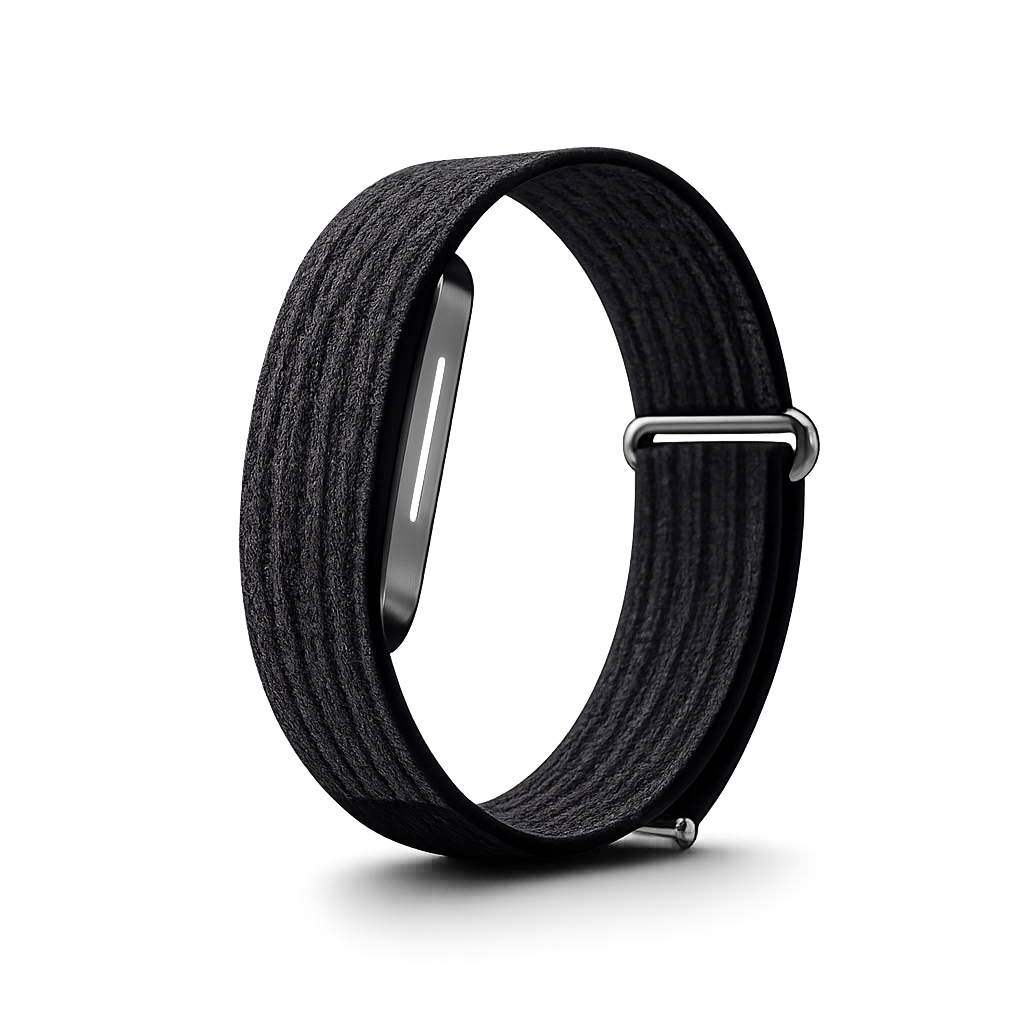
Fitbit
Air1.
Hume Band 2.0
Editor's Pick

The longevity-first wearable for people who already track their own data.

✓ Battery 4 to 14 days
✓ Price $199 to $356
✓ Subscription Optional
✓ iPhone + Android
✓ Water IP68, 1m / 2hr
✓ Sensors 5 LED, 4 PD
At 6:14 a.m. the Hume Health app shows a Metabolic Capacity of 78, a Pace of Aging trending downward by 0.04 per year, and last night's deep sleep at 24 percent of total time in bed. That is the screen the Band 2.0 is selling. Not a strain score. Not a closed ring. A read on how your body is moving through time.
Hume Band 2.0 is a 24/7 wearable that frames itself around longevity, not workouts. It tracks the same physiological inputs as the big-name fitness wearables. Continuous heart rate, HRV, SpO2, respiratory rate, sleep stages, skin temperature, activity. Then it runs those signals through scores that point at long-range health rather than today's training load. Metabolic Capacity reads as a readiness number you can act on in the morning. Metabolic Momentum tells you whether your trajectory is improving or sliding. Biological Age and Pace of Aging give the long view that most fitness wearables avoid.
You get signals you can use to change a habit, not diagnoses pushed at you without context. Blood pressure tracking is listed as a future feature pending FDA approval, so it does not show up as an active capability in the app today.
The wear experience holds up. The Band runs on a multi-day charge, which Hume lists at 14 days on one FAQ page and 4 to 5 days on others depending on use. The IP68 rating keeps it on through showers, swimming, and workouts. Sync runs over Bluetooth to either iPhone or Android, so the device does not lock you to a phone ecosystem.
Pros

Longevity scoring with Metabolic Capacity, Metabolic Momentum, Biological Age, and Pace of Aging
Continuous HR, HRV, SpO2, respiratory rate, skin temperature, and sleep stage tracking
Core data and longevity scores stay accessible without a paid plan
iPhone (iOS 14+) and Android (8.0+) compatibility, no lock-in
IP68 rated, water-resistant to one meter for up to two hours
HSA and FSA payment available through Truemed at checkout
45-day return window, optional HumeCare warranty coverage
Cons

Blood pressure tracking is listed as a future feature pending FDA approval, not active today
Nutrition tracking is listed as forthcoming, not yet live in the app
For a 30-to-55-year-old who already knows they want better sleep, calmer recovery, and a clearer view of how they are aging, the Band 2.0 is the most direct fit in this review.
2.
WHOOP
Subscription Wearable

✓ Battery 14 days
✓ Price $199 to $359 / yr
✓ Subscription Required
✓ iPhone + Android
✓ Water IP68, 10m
✓ Display Screenless
Run the WHOOP pricing math forward three years. One at $199 a year totals $597. Peak at $239 hits $717. Life with the MG hardware at $359 lands at $1,077. That is the cost of the data, not the device. WHOOP does not sell the band. It sells the membership, and your data lives or dies with the renewal.
That model has earned one of the most loyal followings in wearables. WHOOP 5.0 launched in May 2025 alongside the MG hardware. It is screenless, 7 percent smaller than the 4.0, and runs 14 days on a charge. The app frames the day around three scores. Recovery in the morning, Strain through the day, Sleep at night. Peak adds Healthspan, WHOOP Age, and Pace of Aging, the same family of longevity signals Hume centers on. Life with MG adds ECG, Heart Screener, AFib detection, and Daily Blood Pressure Insights in beta.
For competitive athletes and serious training nerds, WHOOP is still the cleanest expression of a recovery-and-strain product on the market. The data is dense. The coaching tone is sharper than most apps. The screenless form fades into the wrist over time.
The friction shows up for the 35-to-55-year-old who is not in peak training and just wants long-range insight into their own health. After year one, the subscription becomes a recurring decision. After three years, you have paid hardware money several times over with no path to own the device outright. Cancel, and the data access goes with it.
Where Hume Diverges
Same longevity scoring family (Pace of Aging, biological age signals), but the data and the scores stay accessible after a one-time hardware purchase. Premium is optional, not the price of entry.
Pros
14-day battery life on the new 5.0 hardware
Healthspan, WHOOP Age, and Pace of Aging on Peak and Life tiers
ECG, AFib detection, and Daily Blood Pressure Insights beta on the MG hardware
Screenless, low-distraction wear with placement options beyond the wrist
Cons
Membership is mandatory, no data access without an active subscription
Total cost climbs sharply past year one compared with one-time hardware
The most useful longevity features sit on the higher Peak and Life tiers
Cancelling ends data access, not just paid feature layers
3.
Apple Watch
Full Smartwatch
✓ Battery 24 to 72 hours
✓ Price From ~$399
✓ Subscription Optional (Fitness+)
✓ iPhone only
✓ Water 50m / dive-rated
✓ Chip S10
Apple sells more wearables than any other company on the planet. Apple Watch Series 11, Ultra 3, and SE 3 are the current lineup, and on raw feature count, nothing comes close. ECG, blood oxygen, sleep apnea notifications, hypertension notifications, irregular rhythm alerts, cycle tracking, depth gauge on Ultra 3, dual speakers, a third-party app store. That is the catalog.
What the catalog does not solve is the basic problem with smartwatches and health tracking. Battery life. Series 11 lasts up to 24 hours on a normal charge and 38 hours in Low Power Mode. Ultra 3 stretches to 42 hours, 72 in Low Power. That is enough for a day plus a bit. It is not enough to stay on your wrist for a continuous 30-day read of sleep, recovery, and HRV without a charging gap somewhere.
Either you charge at night and lose the most useful health signals (deep sleep, sleep apnea events, morning HRV). Or you charge during the day and lose the workout, the meal response, the afternoon stress curve. The watch was never made around the always-on health record. It was made around being a watch.
For an iPhone owner who wants apps, notifications, and a strong baseline of clinical-grade health features, Apple Watch is still extraordinary. For someone whose priority is the long-range health story on a 24/7 wrist record, it is the wrong tool for the job.
Where Hume Diverges
Multi-day battery designed around 24/7 continuous tracking, no daily charging cycle, works with both phone ecosystems out of the box. The data record stays unbroken.
Pros
Clinical-grade features including ECG, blood oxygen, sleep apnea and hypertension notifications
Deepest third-party app ecosystem of any wearable
Polished hardware, displays, and notification handling
Ultra 3 adds depth gauge, water temperature, dual speakers, and a 3000 nit sapphire display
Cons
iPhone only, no Android compatibility
24-hour battery on Series 11 forces nightly charging and breaks continuous tracking
No biological age or pace-of-aging metric in the native health story
Pricing well above the Hume Band, Ultra 3 near the top of the smartwatch market
4.
Amazfit Helio
Budget Pick
✓ Battery Up to 10 days
✓ Price $99.99
✓ No Subscription
✓ iPhone + Android
✓ App Zepp (free)
✓ Hero Metric BioCharge
At $99.99, the Amazfit Helio Strap costs about a third of the Hume Band and a fifth of WHOOP's annual fee. No subscription. Up to 10 days of battery. Screenless. On paper, this is the closest thing to a budget Hume in the lineup.
Helio Strap runs through the free Zepp App. It captures continuous heart rate at the per-second level, plus HRV, SpO2, sleep stages, stress, exertion, and a daily BioCharge score that summarizes energy and readiness. It covers 50-plus workout modes, includes smart strength training, and is the official strap for HYROX Race mode. Amazfit has also tied the strap into a broader fitness system with sync into Strava, TrainingPeaks, adidas Running, and komoot.
What it does not capture is the longevity story. BioCharge is an energy and recovery metric, in the same family as WHOOP's Recovery score. It tells you whether you are running low or running ready today. It does not estimate biological age, pace of aging, or metabolic momentum across months and years.
One more thing worth flagging. As of this review, the black model is listed as "Coming Soon" on Amazfit's official page. The product is real and the spec sheet is published, but availability is in flux.
For an athlete or a heavy strength-training user who wants real fitness data without the WHOOP subscription, Helio Strap is a strong pick. For the 40-something professional who wants to read their long-range health trajectory, it stops short of where Hume picks up.
Where Hume Diverges
Longevity scoring including Biological Age, Pace of Aging, Metabolic Capacity, and Metabolic Momentum. Helio Strap delivers daily energy readiness. Hume delivers the long-arc trend.
Pros
$99.99 price with no required subscription
Up to 10 days of battery life
50-plus workout modes plus HYROX Race mode for training-heavy users
Per-second heart rate sampling and solid baseline health metrics
Cons
No biological age, pace-of-aging, or metabolic-capacity scoring
Black model is currently listed as "Coming Soon" on the official page
Health story leans fitness-and-energy, not longevity
Thinner on the long-range trend reading older shoppers usually care about
5.
Garmin
Athlete + Outdoor
✓ Battery 12 to 27 days
✓ Price $549 to $1,999
✓ Subscription Optional
✓ iPhone + Android
✓ Water Dive-rated (fēnix)
✓ Standout Satellite + LTE
Garmin's two newest wearables aim at a different shopper than Hume Band. Venu 4 starts at $549.99 and arrives in September 2025. The fēnix 8 Pro AMOLED starts at $1,199.99 and tops out at $1,999.99 for the 51mm MicroLED variant. These are not casual purchases. They are anchor pieces in a multisport, outdoor, or off-grid setup.
Venu 4 is the lifestyle smartwatch. Full AMOLED display in 41mm or 45mm, 12 days of battery in smartwatch mode, ECG, HRV status, Body Battery, sleep score, recovery time, training readiness, Garmin Pay, music storage. The health stack is dense and clinically respectable.
The fēnix 8 Pro is the headline product. It is Garmin's first smartwatch with inReach satellite messaging and LTE cellular onboard. Phone-free texting, location check-ins, voice calls, LiveTrack, and SOS through Garmin Response all come into play with an active satellite plan. Add the dive ratings, TopoActive maps, endurance score, hill score, and titanium bezels and the picture forms of a product made for trail running, alpine climbing, expedition diving, and ultra endurance work.
Neither watch is centered on longevity in the Hume sense. Body Battery and HRV status are recovery-and-readiness signals, not biological-age or pace-of-aging estimates. The 30-to-55-year-old health buyer who wants long-range health trends is not the Garmin core customer. The outdoor athlete who needs a satellite SOS at 15,000 feet absolutely is.
Where Hume Diverges
Longevity-first scoring at one-third to one-tenth the price. No satellite overhead, no subscription on top, no fitness-prestige tax. The Band is made for everyday health, not weekend expeditions.
Pros
Multi-day to multi-week battery life across both models
Strong ECG, HRV, sleep, and recovery feature sets
fēnix 8 Pro adds satellite messaging and LTE for off-grid safety
Metal cases, titanium bezels, and high-end displays across the lineup
Cons
Venu 4 starts at $549.99, more than double Hume Band on the comparison page
fēnix 8 Pro starts at $1,199.99 for AMOLED and reaches $1,999.99 for MicroLED
inReach satellite and LTE require an active subscription
No biological age or pace-of-aging metric in the native Garmin stack
6.
Google Fitbit Air
Entry-Level

✓ Battery 7 days
✓ Price $99.99 / $129.99 SE
✓ Subscription $9.99 / mo (some)
✓ \iPhone + Android
✓ Skin Temp Not listed
✓ App Google Health
Google relaunched Fitbit hardware in May 2026 with the Fitbit Air, a screenless tracker that runs through the new Google Health app. $99.99 standard. $129.99 for the Stephen Curry Special Edition. Seven days of battery. A 5-minute fast charge buys a day of power. On the surface, this is the most accessible health wearable in the lineup.
Fitbit Air captures 24/7 heart rate, heart rhythm with AFib alerts, SpO2, resting heart rate, HRV, sleep stages, and sleep duration. Auto workout detection covers the basics. The Special Edition with Stephen Curry branding shipped on May 26, 2026.
The catch sits inside the subscription model. The Band ships with a 3-month Google Health Premium trial. After that, Premium renews at $9.99 a month unless you cancel. Google notes that some features require Premium, but the page does not lay out exactly which ones live free and which sit behind the paywall. That is the question worth asking before checkout, because it changes the long-run cost calculation.
There is also a sensor gap. The official spec sheet does not list a skin temperature sensor, which puts the Fitbit Air a step behind Hume, WHOOP, and Apple Watch on the temperature-trend reading that matters for cycle tracking, illness onset, and sleep quality context.
Where Hume Diverges
Skin temperature sensor included on the Band. Longevity scoring without a paywall. No subscription pressure on the basic health insights, and a clear answer to "what do I get for the one-time price."
Pros
$99.99 starting price for the standard model
7-day battery and 5-minute fast charge for a day of power
24/7 heart rate, AFib alerts, SpO2, HRV, and sleep stage tracking
Clean fit with the Google Account ecosystem for existing Google Health users
Cons
Some features require Google Health Premium at $9.99 a month after the 3-month trial
No skin temperature sensor on the listed spec sheet
No biological age or pace-of-aging metric
Thinner on long-range trend reading than the higher-ranked options
The new Google Health app is still maturing compared with the older Fitbit experience
Why Hume Band 2.0 Wins the 2026 Field
When you put the major wearables next to each other, the differences are not really about sensors. Almost every band in this review measures HRV, SpO2, and sleep stages. The differences are about what the brand chooses to do with that data, who they sell it back to, and how much they charge to keep reading it.
One: Longevity, not performance.
Hume is the only band in this review that puts biological age, pace of aging, and metabolic momentum at the center of the daily screen. WHOOP gets close on Peak. Garmin and Amazfit stop at recovery-and-readiness. Apple and Fitbit do not run the longevity calculation at all.
Two: No subscription gate on the basics.
WHOOP requires an annual membership for any data at all. Fitbit Air gates parts of the Google Health experience behind Premium. The Band hands you the raw data and the longevity scores on the one-time hardware purchase. Premium adds AI coaching if you want it.
Three: A wrist record you can keep wearing.
Multi-day battery, IP68 water resistance, low-distraction 24/7 wear. The Band stays on through sleep, training, showers, and travel. Apple Watch loses that thread the moment you have to charge it overnight. Hume does not.
Four: Cross-platform from day one.
iPhone and Android both work out of the box. Apple Watch ties you to iOS. Fitbit Air leans on Google. Hume does not care which phone you carry, and the Band syncs the same way to either side.
Hume Band 2.0 is the wearable for the 30-to-55-year-old who is done with monthly fees, done with charging anxiety, and ready to read their own body across months, not minutes.
Frequently Asked Questions
Based on Hume's pages, the Band 2.0 captures continuous heart rate, HRV, SpO2, respiratory rate, sleep stages and sleep quality, activity, recovery, and skin temperature. Those signals feed longevity scores including Metabolic Capacity, Metabolic Momentum, Biological Age, Pace of Aging, and Heart Resilience inside the Hume Health app.
No. Hume states that no subscription is required to use the Band or to access the core data and longevity scores. Hume Premium is optional and starts at $8.99 a month for AI coaching and deeper personalized insights on top.
WHOOP sells annual memberships starting at $199 a year, with the longevity-style Healthspan and Pace of Aging scores on the Peak tier at $239 a year. Hume sells the hardware once, gives the core data and longevity scores without a monthly fee, and adds Premium only if you want AI coaching on top.
Yes. Hume lists iPhone 8 and newer running iOS 14 or higher, and Android 8.0 Oreo or newer, with BLE 4.2 or higher. The Band syncs over Bluetooth and uses your phone's connection to move data into the Hume Health app.
No. Hume states clearly that the Band is a wellness wearable, not a medical device, and is not intended to diagnose or monitor medical conditions. Blood pressure tracking is listed as a future app feature, pending FDA approval.
Important: The Hume Health Band is a consumer wellness device, not a medical device. It is not intended to diagnose, treat, cure, or prevent diabetes or any other disease. It does not directly measure blood glucose, HbA1c, or insulin levels. The metabolic insights, scores, and AI-driven analysis provided are based on physiological pattern tracking and should not be used as a substitute for professional medical evaluation. Always consult your physician regarding diabetes risk, diagnosis, and treatment decisions.
© 2026 All Rights Reserved. Privacy Policy - Terms of Service